Love the idea of walking out your back door, untying the lines, and cruising to the Atlantic for a morning run? If you are eyeing Pompano Beach for a boat-first lifestyle, the right neighborhood choice matters more than almost anything else. Canal width, bridge rules, inlet distance, and even seawall condition can change your daily cruising time and your yearly ownership costs. In this guide, you will learn how Pompano’s waterways work, what to look for in each property type, and how to verify the details before you make an offer. Let’s dive in.
How Pompano’s waterways work
Pompano Beach sits on Florida’s southeast coast in Broward County with a barrier island on the east, the Intracoastal Waterway in the middle, and a web of canals feeding into the ICW. Most boaters here access the ocean through two inlets: Hillsboro Inlet to the north and Port Everglades to the south. Your route choice depends on where you live, your boat’s size, bridge constraints, and daily conditions.
You will find boating infrastructure across the city. Options include private docks along seawalls, condo communities with assigned slips, municipal facilities, and nearby commercial marinas. The City of Pompano Beach provides permitting guidance for docks and seawalls, while state and federal agencies regulate coastal construction and navigation. When in doubt, start with the city’s site and confirm rules with state and federal resources.
- Check official charts and updates with the NOAA Office of Coast Survey for depths, channels, and markers. You can start at the NOAA nautical charts portal for current resources and tools. Explore NOAA’s chart resources.
- For bridge rules and closures, refer to the U.S. Coast Guard’s Local Notice to Mariners and bridge information pages. Review Local Notices to Mariners and USCG bridge guidance.
Neighborhood types that suit boaters
Every Pompano Beach waterfront option comes with trade-offs. Use the categories below to match your boat and lifestyle.
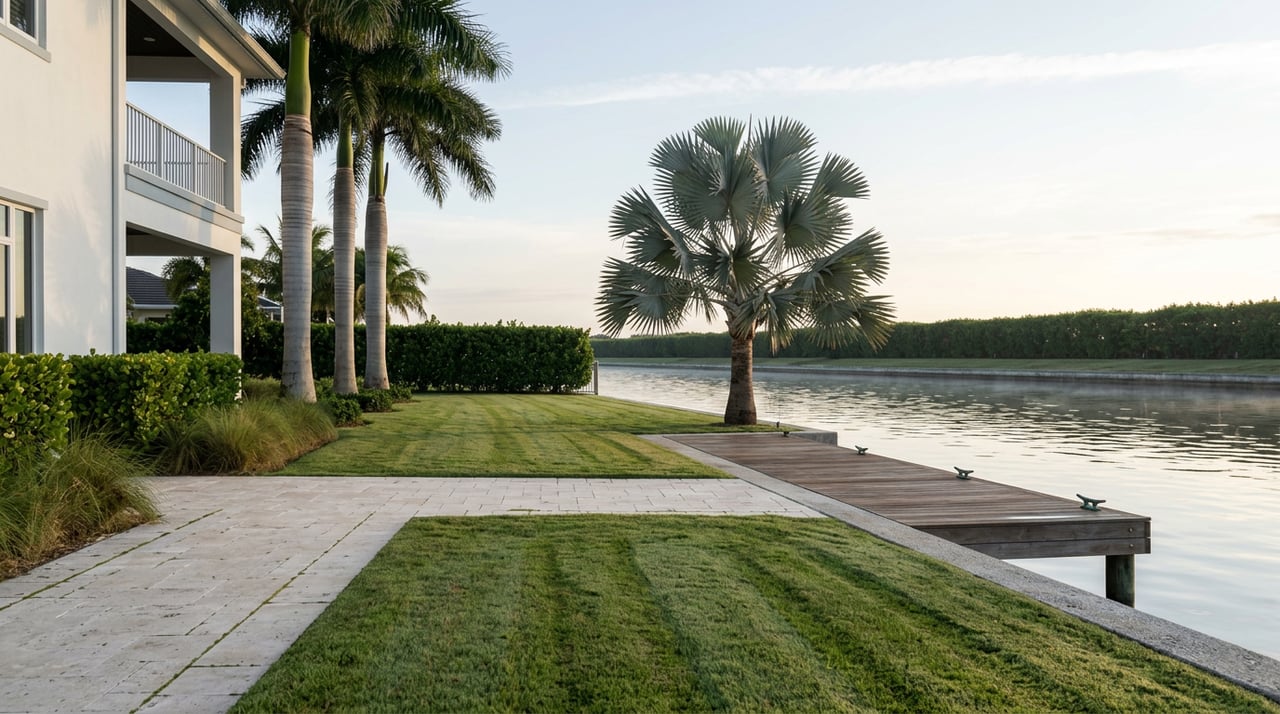
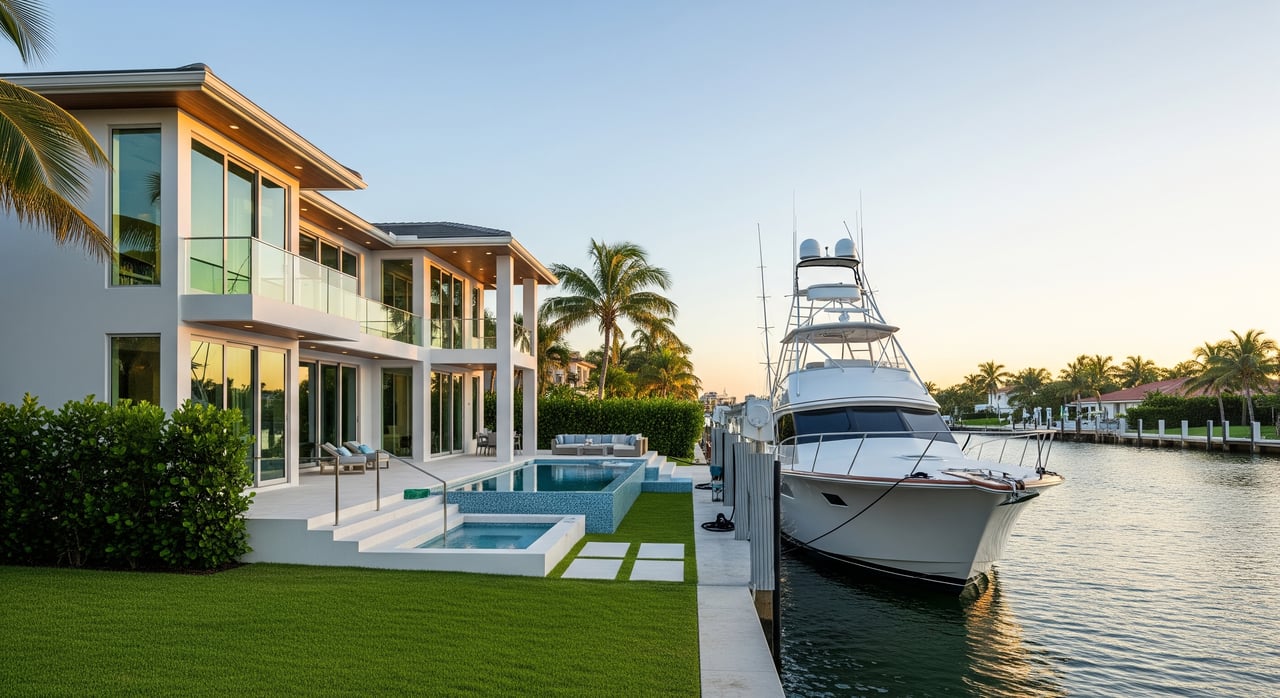
Intracoastal-front homes
If you want the most direct access, properties on the ICW or wide bays are often the easiest for larger powerboats and many sailboats. You will avoid tight turns and most shallow canal mouths. This can cut transit time to either Hillsboro Inlet or Port Everglades.
- Best for: Larger vessels, frequent ocean runs, and owners who want straightforward navigation.
- Watch for: Tidal depth at the dock, seawall condition, wake exposure, and any fixed bridges along your route to the inlet.
Canal-front neighborhoods
Canal properties vary widely. Some canals are deep and wide with clear runs to the ICW. Others narrow near the ends and may shoal, limiting larger boats. A long canal run can add time, especially through slow or no-wake zones.
- Best for: Small to mid-size powerboats and owners who value a quieter setting.
- Watch for: Depth at mean low water, turning room for your boat length, and dredging history near the canal mouth.
Barrier island properties east of A1A
Barrier island homes can be stunning, but direct, protected canal access is not always available right on the ocean side. Some owners rely on nearby marinas for slips and services. If you prefer ocean proximity with marina support, this setup may fit.
- Best for: Buyers who prioritize beachside living and plan to use a marina for docking and services.
- Watch for: Exposure to surf and storm surge on the ocean side and where you will keep the boat during storms.
Condo and marina communities
Many condos and gated communities offer assigned slips or community docks. Rules can include maximum boat length, limits on vessel types, and policies on guests or rentals. Fees may cover some maintenance, which eases your workload.
- Best for: Owners who want a managed slip environment and community amenities.
- Watch for: HOA rules on boat size and type, slip transfer rules, waitlists, and what your monthly fees actually include.
Inland homes with trailer storage
If you do not need a backyard dock, inland homes can still support a boat-first lifestyle. You can trailer to nearby ramps or store the boat in a dry stack at a marina. This lowers seawall and dock costs but increases your reliance on offsite services.
- Best for: Smaller boats, flexible owners, or buyers who prefer a lower waterfront maintenance burden.
- Watch for: Local storage rules, ramp convenience, and dry-stack availability and pricing.
What drives your cruising time
In Pompano Beach, these variables determine how fast you can reach the ocean and how simple your routine will feel.
- Distance in nautical miles to Hillsboro Inlet or Port Everglades.
- Number and type of bridges on your route, plus vertical clearance at mean high water.
- Bridge opening schedules and typical wait times during peak ICW traffic.
- Canal mouth depth and any shoaling that may force tide-timed departures.
- Speed zones and bottlenecks along the ICW or marina basins.
- Tides, currents, sea state, and weather at the inlet on your planned run.
Practical tip: Time your route on a typical day, including a low-tide test and peak traffic window. The real-world run can differ from a map estimate.
Bridges and clearances made simple
Bridges along your route matter for both power and sail. Fixed bridges set a hard height limit, referenced at mean high water. Bascule bridges may open on request or on a schedule.
- Confirm heights and opening rules through the U.S. Coast Guard, which publishes bridge regulations and weekly updates. Check the USCG bridge pages and Local Notices to Mariners.
- Measure your air draft carefully and account for antennas and gear. Actual clearance varies with tide and weather.
- If you run a frequent schedule, factor in predictable waits so you are not rushed, especially on weekend mornings.
Inlets, tides, and safety windows
Hillsboro Inlet and Port Everglades each produce tidal currents and shifting conditions. Larger drafts may prefer certain tides, and weather can narrow the safest departure windows. If you plan long offshore days, routine checks keep you efficient and safe.
- Use official charts for navigation and soundings. Start with NOAA resources.
- Review weekly changes and notices before runs. Scan the USCG Local Notice to Mariners.
Docks, seawalls, and permitting
Docks and seawalls are major assets and major responsibilities. Private dock construction and seawall repairs typically require city, county, and state approvals. You should collect permit records, as-built drawings, and inspection reports during due diligence.
- Begin with the City of Pompano Beach for local dock and seawall permit guidance. Visit the city’s official site to locate current building and permit resources.
- State-level coastal and environmental permitting runs through the Florida Department of Environmental Protection. Review Florida DEP information.
- Expect lifecycle costs for seawall upkeep. After storms or major repairs, codes may require updates that affect scope and budget.
Marina services, haul-out, and storage
If you operate a larger boat or prefer professional maintenance, consider proximity to fuel, haul-out, and service yards. Condo and marina communities may include services like pump-out. Availability of wet slips versus dry storage will influence cost and flexibility.
- Confirm waitlists and service capacity early in your search.
- Ask nearby marinas about emergency haul-out policies for storm events.
Insurance, flood, and hurricane planning
Flood zones influence your insurance and your dock design. Waterfront buyers should review elevation, flood designations, and hurricane readiness plans for the property and for the boat.
- Use FEMA’s Flood Map Service Center to identify flood zones that apply to the property. Check FEMA flood maps.
- Review local rules for storm preparation and mooring practices. For general boating regulations and safety, see the Florida Fish and Wildlife Conservation Commission. Explore FWC boating resources.
A simple buyer checklist for boaters
Use this list to vet each waterfront listing before you write an offer.
- Request mean low-water depth at the dock and the date of measurement.
- Confirm dock dimensions, pile height, and turning room for your boat length and beam.
- List every bridge between the dock and the inlet, with vertical clearances at mean high water and opening schedules.
- Measure distance to Hillsboro Inlet and Port Everglades and time the route during typical traffic.
- Ask for dock and seawall permits, as-built drawings, and recent seawall inspection reports.
- Verify any HOA or condo rules on boat size, vessel type, liveaboard restrictions, and slip transferability.
- Check for known shoaling or dredging notices in the adjacent canal or channel.
- Confirm flood zone data, insurance implications, and any special assessments that may relate to dredging or seawall projects.
How we help you buy right
When boating drives your home search, the details decide the deal. You deserve a team that knows how canal geometry, bridge rules, and inlet distance translate into daily cruising time and long-term costs. Our waterfront process pairs local market knowledge with a disciplined checklist so you can close with confidence.
If you want a straightforward plan to find the right dock, depth, and route for your boat, we are ready to help. Schedule a conversation with our team at The Coastal Realm to map your options and start viewing boat-friendly homes that match your vessel and your goals.
FAQs
What makes a Pompano Beach neighborhood boat-friendly?
- Direct ICW access, adequate depth at mean low water, manageable bridge constraints, and a realistic run to Hillsboro Inlet or Port Everglades.
How do bridges affect my boat choice in Pompano Beach?
- Fixed-bridge clearances at mean high water set your maximum air draft, and bascule bridges add scheduled waits that affect travel time.
How long does it take to reach the ocean from a canal home?
- It depends on distance to the inlet, bridge openings, speed zones, and canal mouth depth; time your full route on a typical day to verify.
What should I review before buying a home with a dock?
- Dock depth and dimensions, seawall condition and permits, bridge data, flood zone, HOA rules, and any dredging or assessment notices.
Where can I verify official navigation and flood data?
- Use NOAA charts for navigation, USCG Local Notices for bridges and updates, and FEMA’s Flood Map Service Center for flood zones.