Shopping for a Miami condo can feel simple at first. New construction looks shiny and low-maintenance, while resale buildings often offer immediate availability and a clearer price point. But in Miami-Dade, the real decision goes deeper than finishes and floor plans. You need to compare inspections, reserves, warranties, flood exposure, and the true cost of ownership so you can buy with confidence. Let’s dive in.
New Construction vs Resale in Miami
If you are deciding between a new condo and a resale unit in Miami, you are really comparing warranty coverage against building history. Both can be smart choices, but they come with different risks, timelines, and document trails.
That matters more in Miami-Dade than in many other markets. The county is in the High Velocity Hurricane Zone, and it is also particularly vulnerable to flooding from major rain events and storm surge. That means a condo comparison should include not just price and amenities, but also storm-related building standards, insurance questions, and long-term maintenance planning.
Why Miami Condo Due Diligence Matters
Miami condo buyers cannot afford to treat the building itself as an afterthought. In this market, the tower, its maintenance history, and its reserve planning can affect your monthly costs just as much as the unit you choose.
Older buildings may be facing county recertification, state milestone inspections, or both. Even newer buildings need careful review because the association budget, reserve planning, and delivered amenities may not fully match what you expected from the sales process.
Miami-Dade has stricter building factors
Miami-Dade and Broward are recognized as the High Velocity Hurricane Zone. That means local wind-resistance and product-approval rules are stricter than in much of Florida.
For you as a buyer, that makes construction quality and building documentation especially important. Whether you buy new or resale, it is worth understanding how the building was built, maintained, and evaluated over time.
Flood risk affects condo costs
Miami-Dade says the county is particularly susceptible to flooding from major rain events and storm surge. Some flood zones also require flood insurance.
That is why condo carrying costs should be compared as a full package. HOA dues are only one part of the story. Insurance, flood exposure, reserve funding, and the chance of future special assessments all matter.
What New Construction Offers
New construction condos appeal to buyers who want modern design, current building systems, and fewer immediate repair concerns. In many cases, you may also get a more predictable early ownership experience, especially if the building has just opened and major systems are brand new.
In Miami, new construction also benefits from being built under local standards that reflect the county’s hurricane exposure. That does not remove risk, but it does make the project documents and construction details worth reviewing carefully.
Warranty coverage can be a major benefit
Florida developer warranty law gives buyers an implied 3-year warranty on the unit and a 3-year warranty on most other improvements. It also provides up to 5 years on roofs, structural components, and the mechanical, electrical, and plumbing elements serving the building, assuming routine maintenance is performed.
That warranty structure is one of the biggest reasons buyers choose new construction. It can reduce some near-term uncertainty, especially when compared with an older building that may already be planning repairs.
The disclosure package matters
For pre-construction sales, the developer must make plans and specifications for the unit and common elements available. The disclosure package also includes the prospectus or disclosure statement, the estimated operating budget, management and lease documents, and the current status of the milestone summary, structural integrity reserve study, and turnover inspection report.
If closing happens more than 12 months after the offering circular is filed, the developer must provide a current estimated operating budget at closing. That is important because early budgets can change, and buyers should look closely at whether projected dues and operating costs still seem realistic.
You have a review window
Developer contracts include a 15-day voidability period after you receive the required documents. That gives you time to review what is being offered and compare it to the unit, common elements, and amenities you expect to receive.
This is where disciplined due diligence matters. In a new tower, you want to check what has actually been delivered, what is still under construction, and whether the budget and reserve planning support the building over time.
New does not mean no homework
A newer building may have fewer immediate repair issues than an older one, but that does not mean you can skip the details. Before developer control transfers, a building that is three stories or higher must have a turnover inspection report.
You should also review the reserve plan, the association budget, and the status of building components and amenities. A beautiful lobby and polished marketing package do not tell you everything about future monthly costs.
What Resale Buildings Offer
Resale condos usually offer something new construction cannot. They give you a building with a visible operating history.
That history can be helpful because you can review past budgets, maintenance patterns, and current conditions. At the same time, that same history may reveal deferred maintenance, rising reserves, or upcoming repairs that affect affordability.
Building age changes the conversation
Miami-Dade’s current recertification program generally begins when a building reaches 30 years of age and then repeats every 10 years. In some coastal condo and co-op situations, the county can require a 25-year cycle.
The county also says recertification reports are evaluated against the code that applied when the building was originally constructed, not today’s code. So if a building passes recertification, that does not necessarily mean it has been fully modernized.
Some buildings face multiple layers of review
At the state level, milestone inspections are required for condominium and cooperative buildings that are three habitable stories or more by December 31 of the year the building reaches 30 years of age. Local agencies can require the first inspection at 25 years in coastal or salt-water situations.
This inspection is focused on life safety. It is not intended to determine full Florida Building Code or fire-code compliance. In practical terms, a building can meet one requirement while still needing major future work.
Glass-heavy towers may have added façade review
Some buildings also face separate structural glazing façade recertification. In Miami-Dade, this applies every five years after installation for threshold buildings with structural sealant glazing.
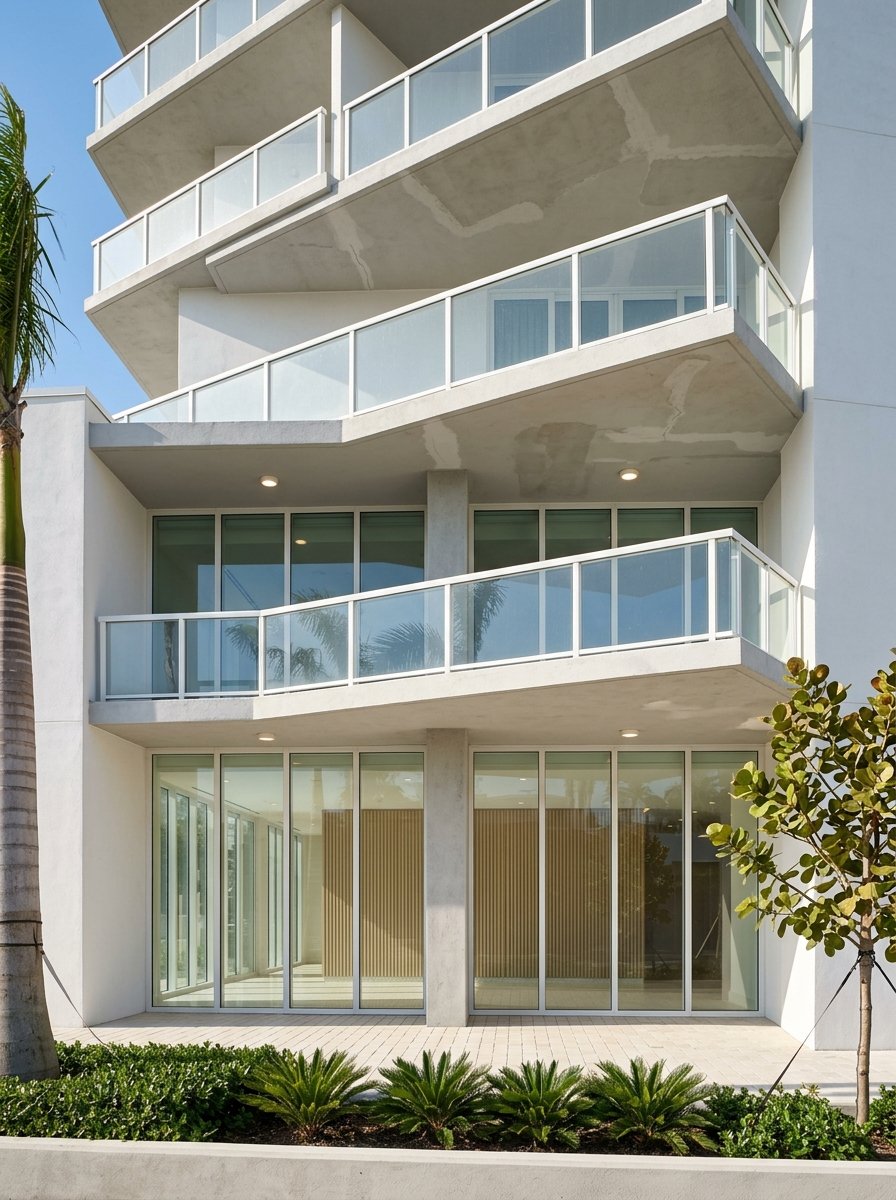
If you are looking at a glass-forward tower, this is another reason to review the building’s records and current status. Sleek design can come with specialized maintenance obligations.
The Real Cost Difference
Many buyers start with the purchase price, but the better comparison is total ownership cost. In Miami condos, that means asking what you will likely pay now and what the building may need later.
Older buildings can look less expensive upfront, but the numbers may change if reserves are underfunded or repairs are pending. Newer buildings may offer fewer near-term repairs, yet the monthly dues and operating budget still deserve close review.
Reserve studies matter more now
Structural integrity reserve studies are required every 10 years for residential condominium buildings that are three habitable stories or higher. These studies must cover major items such as the roof, structure, fireproofing, plumbing, electrical systems, waterproofing, exterior painting, windows, and exterior doors.
Under current law, budgets adopted on or after December 31, 2024 may not provide no reserves or too few reserves for those covered items. That is a major reason some older condos may see higher or more volatile monthly costs as associations address deferred maintenance.
Assessments and loans can affect your budget
For buildings that need a structural integrity reserve study, reserves can be funded through regular assessments, special assessments, lines of credit, or loans. Special assessments or loans generally require approval of a majority of the total voting interests.
For you, that means monthly dues are only part of the affordability picture. A lower HOA number today may not stay low if the building needs major capital work.
Milestone work can trigger more costs
Milestone inspection costs are the association’s responsibility for the parts of the building it must maintain. If a phase-two report finds substantial structural deterioration, repairs must begin on a defined timeline under current law.
Current law also allows an association to delay a required reserve study for up to two consecutive budget years immediately after a milestone inspection so it can focus on repairs. That can shift the timing of expenses and make budget review even more important.
Documents to Review Before You Buy
Whether you choose new construction or resale, the smartest buyers focus on paper before emotion. The documents often tell you more than the listing photos ever will.
For resale contracts entered into after December 31, 2024, the seller must provide current copies of the declaration, articles, bylaws and rules, annual financial statement and budget, milestone summary if applicable, the most recent structural integrity reserve study or a statement that none exists, any applicable turnover inspection report, and the FAQ document. If those required documents are delivered, you get a 7-day cancellation right after receipt, excluding weekends and legal holidays.
Key items to compare
Use this checklist when comparing Miami condos:
- Building age
- Recertification status
- Milestone inspection status
- Structural integrity reserve study status
- Reserve funding level
- Pending repairs
- Current budget realism
- Flood exposure and insurance questions
- Delivered versus promised amenities in new construction
If an association is not required to have a milestone inspection or a structural integrity reserve study, the contract must say so. That can help you understand why one building has a deeper document trail than another.
Which Option Fits You Best
If you want modern systems, possible warranty coverage, and a more current design, new construction may fit your goals. It can be especially appealing if you value newer finishes and are comfortable reviewing developer documents closely before closing.
If you want immediate occupancy and a clearer record of how the building actually operates, a resale condo may be the better fit. The tradeoff is that you need to review maintenance history, reserve funding, and inspection status with extra care.
In Miami, there is no one-size-fits-all answer. The right choice comes down to how you weigh predictability, monthly cost, future repair exposure, and the strength of the building’s paperwork.
If you are comparing condos in Miami-Dade and want a sharp, grounded read on what the numbers and documents are really telling you, The Coastal Realm is here to help you navigate the options with confidence.
FAQs
What is the main difference between new construction and resale condos in Miami?
- New construction usually offers warranty coverage and newer systems, while resale condos offer a real operating history that can reveal maintenance patterns, reserve funding, and repair needs.
What should Miami condo buyers review in a resale building?
- You should review the building age, recertification status, milestone inspection status, reserve study status, funding levels, pending repairs, annual budget, and any required association disclosures.
What protections do buyers get with Miami new construction condos?
- Buyers get required disclosure documents, a 15-day voidability period after receiving those documents, and implied developer warranty coverage under Florida law for certain building components and improvements.
Do older Miami condo buildings that pass recertification meet today’s building code?
- No. Miami-Dade says recertification is evaluated against the code in effect when the building was originally constructed and improved, so a passing report does not mean the building has been fully modernized.
Why do reserves matter when buying a Miami condo?
- Reserves help pay for major future repairs and replacements, and under current law many covered buildings cannot waive or underfund reserves for key structural and high-cost components.
How does flood risk affect Miami condo ownership costs?
- Flood exposure can affect insurance requirements and total carrying costs, so buyers should compare HOA dues alongside flood risk, insurance needs, reserve funding, and the possibility of special assessments.