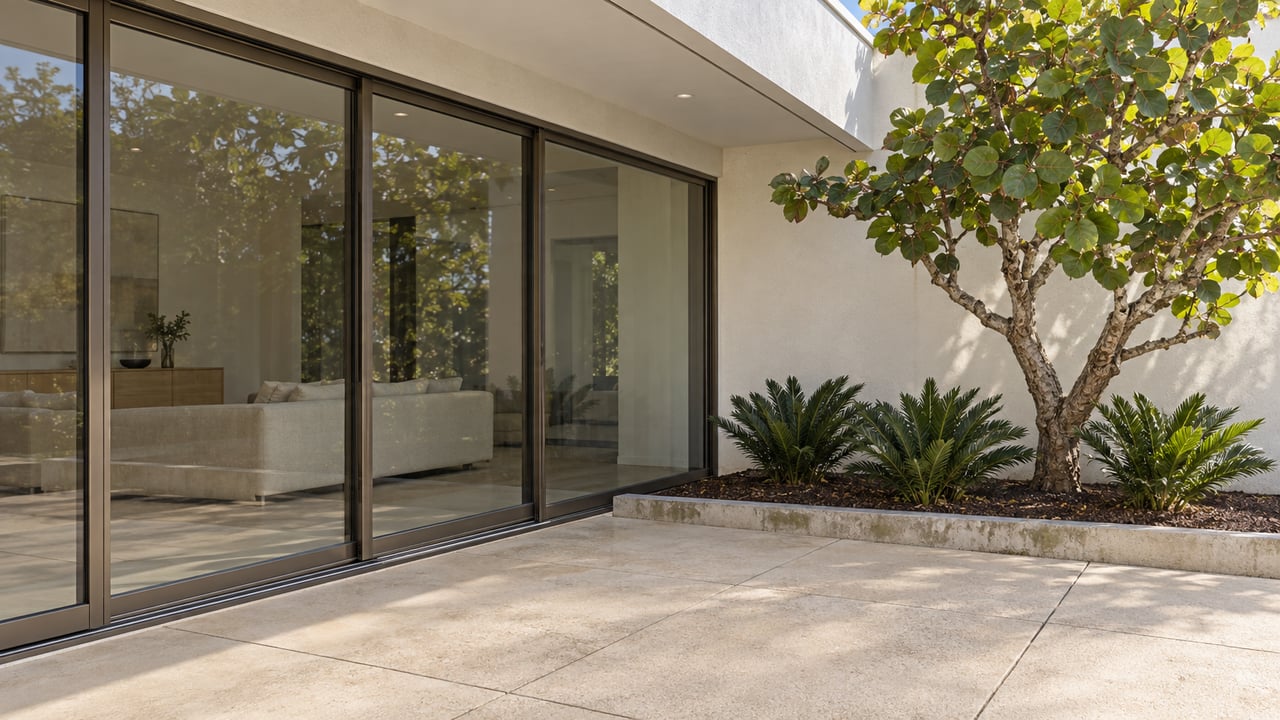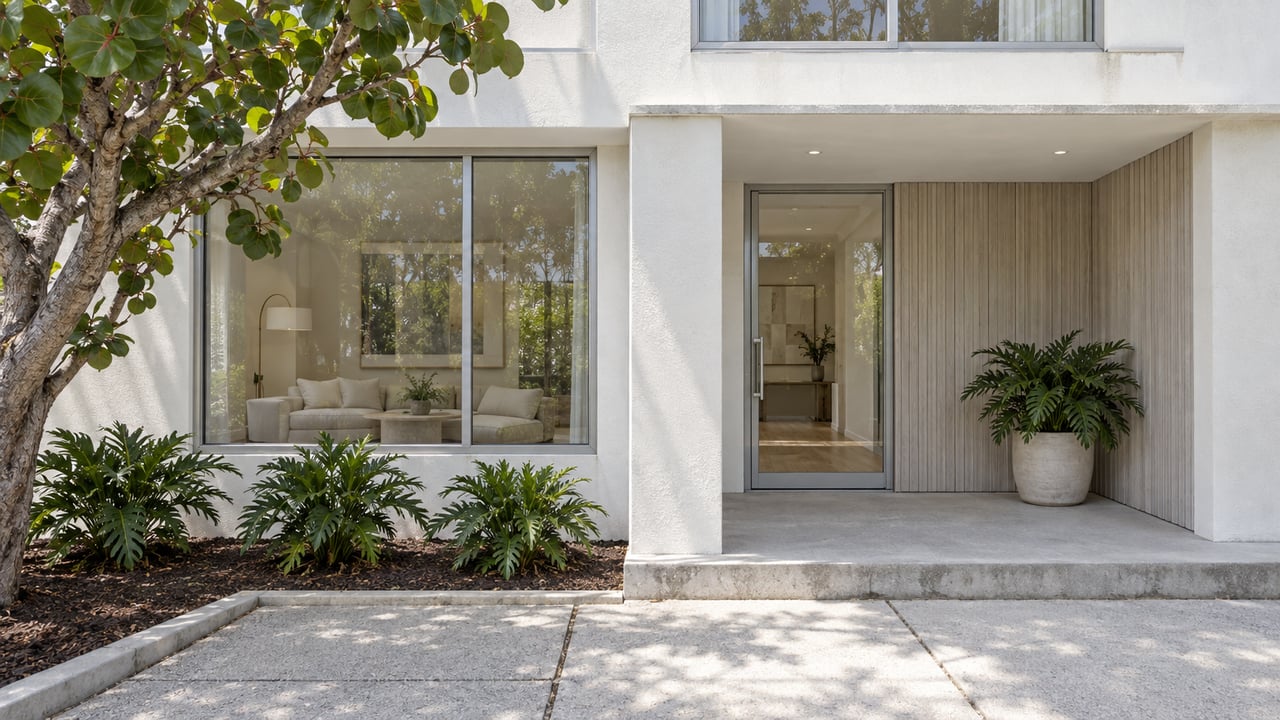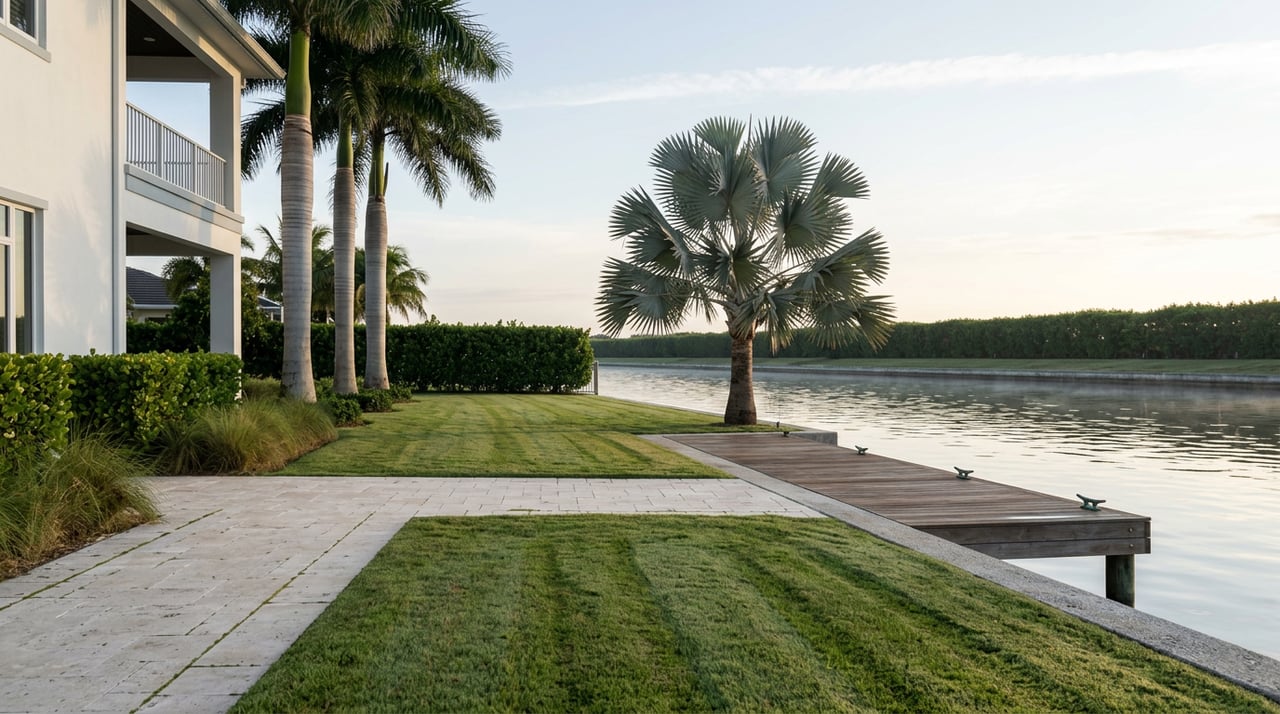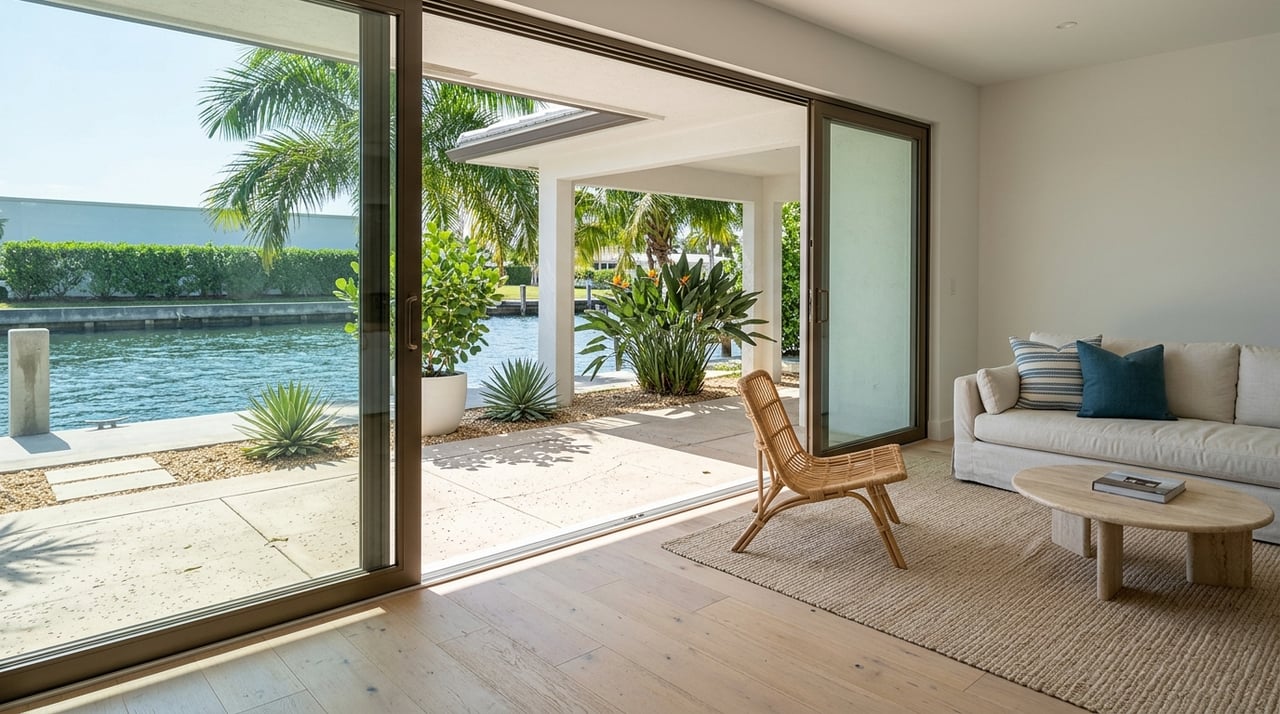
If you list a Lighthouse Point waterfront home like any other property, you risk missing what buyers are actually paying for. In this market, your dock, seawall, water access, flood paperwork, and online presentation all shape how your home is judged from day one. If you want a smoother launch and a stronger position with serious buyers, a smart strategy matters. Let’s dive in.
Why Lighthouse Point Waterfront Is Different
Lighthouse Point is not a generic suburban market. The city reports that about 95% of the community is developed, many homes sit along its 18 miles of waterways, and most residences fall in the upper-medium to top-price ranges. That creates a limited, lifestyle-driven waterfront market where buyers compare details very closely.
That difference shows up in the numbers. Redfin reports 83 waterfront homes for sale in Lighthouse Point, with a median listing price of about $1.01 million and a median 122 days on market. By comparison, the broader city had a three-month median sale price of about $1.06 million with 87 days on market, which shows that waterfront homes often follow their own pace and pricing logic.
Countywide numbers can give helpful background, but they should not drive your pricing. Broward County’s single-family median sale price was $600,000 in March 2026, which is far below the typical Lighthouse Point waterfront segment. If your home has canal frontage, ocean access, or boating features, broad county data is not a reliable benchmark.
Start With Pre-Listing Prep
A smart listing starts before the sign goes up. In Lighthouse Point, preparation is not just about cleaning and staging. It also means getting your records, property details, and waterfront documents in order before buyers start asking questions.
If you have completed work on your dock, seawall, boatlift, roof, shutters, driveway, or fence, gather the permit records and final inspection paperwork early. The City of Lighthouse Point requires permits for these items, and its dock and seawall checklist says an updated dock or seawall survey is required before the final building inspection. The city also notes that re-deck and dock permits need Broward County DEP approval, signed and sealed drawings, and current survey documentation when applicable.
This matters because buyers in a waterfront market tend to focus on property condition and compliance. If your file is complete before you launch, you reduce delays and build confidence. You also make it easier for your agent to market the property clearly and answer questions quickly.
Gather Flood And Waterfront Documents
Waterfront buyers often want more than a standard property sheet. They may ask about flood zone details, elevation, seawall updates, dock measurements, and whether prior work was properly permitted. The more organized you are, the stronger your listing looks.
Lighthouse Point says the city is flood-prone and keeps FEMA elevation certificates available upon request. That means flood-related paperwork should be part of your listing file, especially if it helps explain your home’s elevation or prior documentation. If your property has had dock or seawall work, Broward County’s environmental permitting program may also apply, since the county’s 2025 technical bulletin explains that even some repairs or replacements may still require a streamlined environmental resource license.
At a minimum, your pre-list file should include:
- Permit records for completed work
- Final inspections, if applicable
- Current survey documentation, when applicable
- Dock or seawall records
- Elevation certificate, if available
- Key details on boating access, bridge clearance, and dock setup
Time Your Launch Carefully
Timing matters in every market, but it matters even more on the water. Atlantic hurricane season runs from June 1 through November 30, and the City of Lighthouse Point says the city is in a mandatory evacuation area for Category 3 and above storms. That does not mean you cannot sell during that window, but it does mean you should think ahead.
The city advises residents to trim trees and shrubbery, remove coconuts, and clear unwanted items before a storm threatens. It also warns that garbage collection can be interrupted during hurricane warnings and that residents should be self-sufficient for at least the first 72 hours after a storm. For sellers, the practical takeaway is simple: if you plan to list within the year, it is smart to complete exterior prep, repairs, and professional photography before the peak storm months begin.
Storm season can affect curb appeal, scheduling, and buyer perception. If your landscaping looks overgrown, outdoor areas are cluttered, or listing media is delayed, your launch may lose momentum. The cleanest strategy is to prepare early so your home is ready to go when conditions are strongest.
Price For The Waterfront Niche
One of the biggest mistakes a seller can make is pricing a waterfront home from broad market averages. Broward County had 20,550 homes for sale in March 2026, a 97% sale-to-list ratio, and a 75-day median days on market. Florida Realtors also reported an $600,000 median sale price and an 81-day median time to sale for Broward single-family homes. That tells you buyers have options and pricing discipline matters.
But your home is not competing with every single-family property in the county. In Lighthouse Point, the strongest comp set usually stays inside the same waterfront niche and adjusts for the features buyers actually use. That includes water access, bridge clearance, dock length, seawall condition, flood zone or elevation, and whether the home offers no-fixed-bridge or ocean-access boating.
In other words, a smart pricing strategy answers a specific question: how does your home compare to nearby waterfront options that offer a similar boating and waterfront lifestyle? That is a much more useful exercise than leaning on inland sales or countywide medians.
Market The Waterfront Lifestyle Clearly
Waterfront buyers are not just shopping for square footage. They are judging how the property lives, how the water access works, and how the outdoor spaces connect to the home. If your listing does not show those advantages clearly, you leave too much to the buyer’s imagination.
Your marketing should treat the waterfront features as part of the product, not an afterthought. That means your dock, seawall, water view, outdoor entertaining space, and boating setup should appear prominently in the listing photos, video, and property description. Buyers should understand quickly what makes your home different from another house one canal over.
This is especially important because buyers search online first. According to NAR’s 2024 buyer profile, all buyers used the internet during the home search process, and 41% started by looking online for properties. Buyers searched a median of 10 weeks, viewed a median of seven homes, and two of those homes were viewed online only.
Invest In Strong Listing Media
Your photos and listing details do heavy lifting before a showing ever happens. NAR reports that photos were the most useful website feature for nearly nine in 10 buyers aged 58 and under. Detailed property information, videos, interactive maps, and floor plans also ranked highly.
For a Lighthouse Point waterfront home, that means polished visuals are not optional. Buyers need to see the water, the dock, the rear elevation, the layout, and the condition of the outdoor areas. They also need enough property detail to understand access and functionality without guessing.
A strong media package often includes:
- Professional photography that highlights both interior and waterfront features
- Video that shows the dock, canal view, and outdoor flow
- Accurate MLS details with boating and waterfront specifics
- Floor plans when available
- Mobile-friendly copy that is easy to scan
NAR also notes that buyers split internet searches roughly evenly between desktop or laptop and mobile devices. So your listing needs to look sharp and read clearly on a phone just as much as on a larger screen.
Use Social Media As Amplification
Social media can expand your reach, but it works best when it supports a strong core listing. NAR reports that real estate agents were the most useful information source in the home search and that social media generates the highest number of quality leads among REALTORS’ tech tools, with especially heavy use of Facebook and Instagram.
For a waterfront listing, social media is most effective as amplification. Short dock walk-throughs, waterfront clips, backyard video, and neighborhood visuals can create attention and bring buyers back to the full MLS presentation. That approach fits the way buyers search today, where strong visuals create the first spark and detailed listing information helps move the decision forward.
What A Smart Launch Looks Like
When you put all of this together, the smartest Lighthouse Point waterfront listing strategy is both disciplined and buyer-focused. You are not just putting a home on the market. You are launching a waterfront product in a niche coastal market where details matter.
A strong launch usually includes:
- Permit and inspection records organized in advance
- Flood and waterfront documents ready to share
- Exterior prep completed before peak storm disruptions
- Pricing built from nearby waterfront comparables
- Professional photography and video that feature the water
- MLS copy that clearly explains boating and property features
- Social media used to amplify, not replace, the listing presentation
That is how you reduce friction, improve buyer confidence, and position your home more effectively in a competitive segment.
Why Local Waterfront Experience Matters
In a city like Lighthouse Point, the difference between an average listing plan and a smart one often comes down to local understanding. Waterfront homes do not sell on square footage alone. Buyers and their agents want clear answers about the dock, seawall, permits, flood factors, and water access.
That is why your listing strategy should be built around the way this specific market works. When pricing, preparation, and presentation all match the realities of Lighthouse Point waterfront living, your home enters the market with a stronger story and fewer loose ends.
If you are thinking about selling, the right plan can help you launch with more confidence and less guesswork. To talk through timing, pricing, and a waterfront-specific marketing strategy, connect with The Coastal Realm.
FAQs
What makes pricing a Lighthouse Point waterfront home different?
- Lighthouse Point waterfront pricing should be based on nearby waterfront comparables with similar boating and access features, not broad Broward County averages.
What documents should you gather before listing a Lighthouse Point waterfront property?
- You should gather permit records, final inspections, surveys when applicable, dock or seawall records, and flood-related paperwork such as an elevation certificate if available.
When should you prepare a Lighthouse Point waterfront home for sale?
- If possible, finish repairs, exterior cleanup, and professional photography before peak hurricane season conditions create delays or affect presentation.
Why do dock and seawall details matter when selling a Lighthouse Point home?
- Buyers often evaluate waterfront homes based on boating use, dock condition, seawall condition, and whether past work was properly permitted and documented.
How should a Lighthouse Point waterfront home be marketed online?
- It should use strong MLS details, professional photography, video, and mobile-friendly copy that clearly shows the water, dock, outdoor spaces, and key property features.