Trying to choose between a Fort Lauderdale waterfront condo and a waterfront home? You are not alone. For many buyers, the decision comes down to more than price. It is really about how you want to live, how much responsibility you want to carry, and how important direct boating access is to your daily routine. This guide breaks down the biggest tradeoffs so you can compare both paths with more confidence. Let’s dive in.
Why this choice matters in Fort Lauderdale
Fort Lauderdale is a unique market because waterfront living can mean very different things depending on the property type. A condo can offer shared amenities, less exterior upkeep, and access to the water without taking on every part of the maintenance burden yourself. A single-family waterfront home can offer more privacy, more outdoor space, and more direct control over your dock, seawall, and improvements.
That difference matters even before you look at waterfront premiums. In Broward County, April 2026 median sale prices were $258,000 for condos and townhouses and $620,000 for single-family homes. Those are countywide figures, not waterfront-only prices, but they help show why your budget often shapes the condo-versus-home decision from the start.
Compare ownership responsibilities
Condo ownership in Fort Lauderdale
With a condo, the association typically maintains and manages the common elements. Under Florida condo law, associations have authority to maintain, repair, and replace common elements and may enter units when needed for maintenance or repairs. For you as a buyer, that often means less hands-on exterior responsibility.
That setup can be a strong fit if you want a more lock-and-leave lifestyle. If you travel often, split time seasonally, or simply do not want to manage every exterior issue yourself, a waterfront condo may feel more predictable day to day.
Waterfront home ownership
With a single-family home, you usually carry more direct responsibility. Florida HOA law generally ties association responsibility to common areas and to any roof or structural items the governing documents assign to the association. In many cases, that leaves you with more direct control over the home itself and shoreline-related improvements.
That can be a major advantage if you value privacy and flexibility. It also means you may be handling major items more directly, from exterior upkeep to dock and seawall work.
Lifestyle fit: convenience versus control
When a condo may fit better
A condo often works well if your top priorities are convenience, building amenities, and less exterior maintenance. You may also prefer the simplicity of having many building systems handled through the association structure rather than coordinating every vendor and repair on your own.
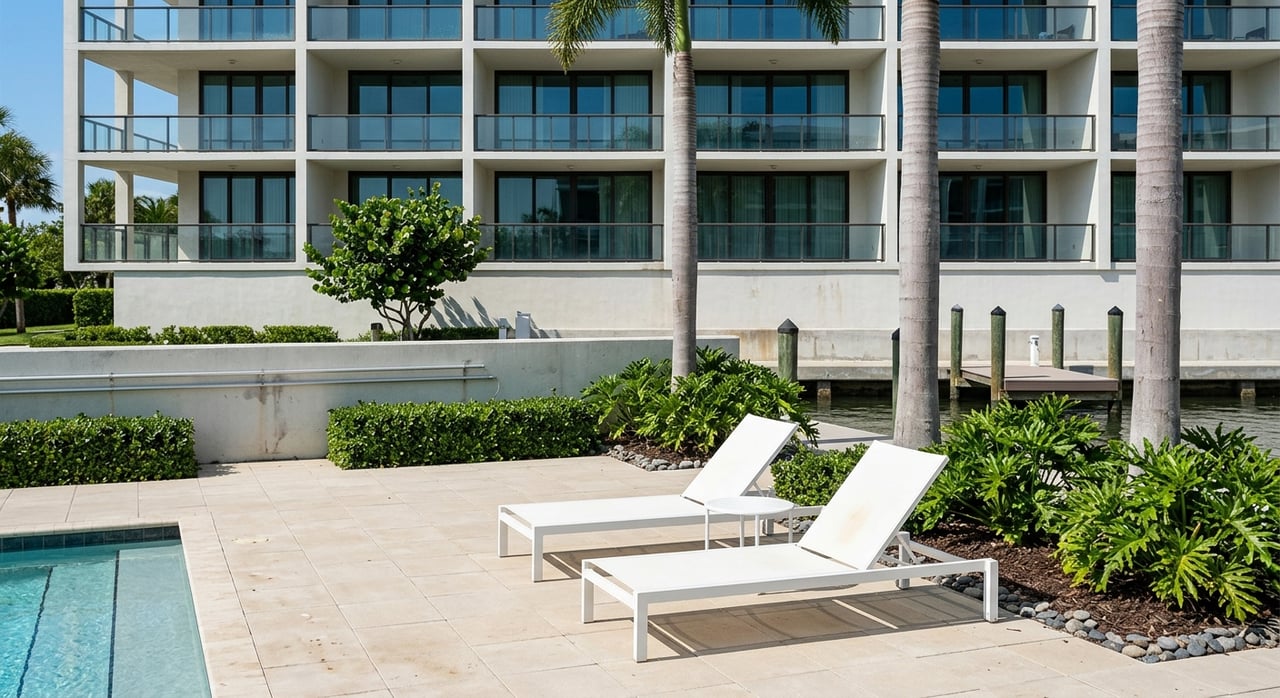
Condo living can also make sense if you want waterfront access but do not need a private dock at your back door. Fort Lauderdale has a strong public boating network that includes Las Olas Municipal Marina, New River/Riverwalk Docking Facility, Cooley's Landing Marina, George English Park, and the SE 15th Street launching facility.
When a waterfront home may fit better
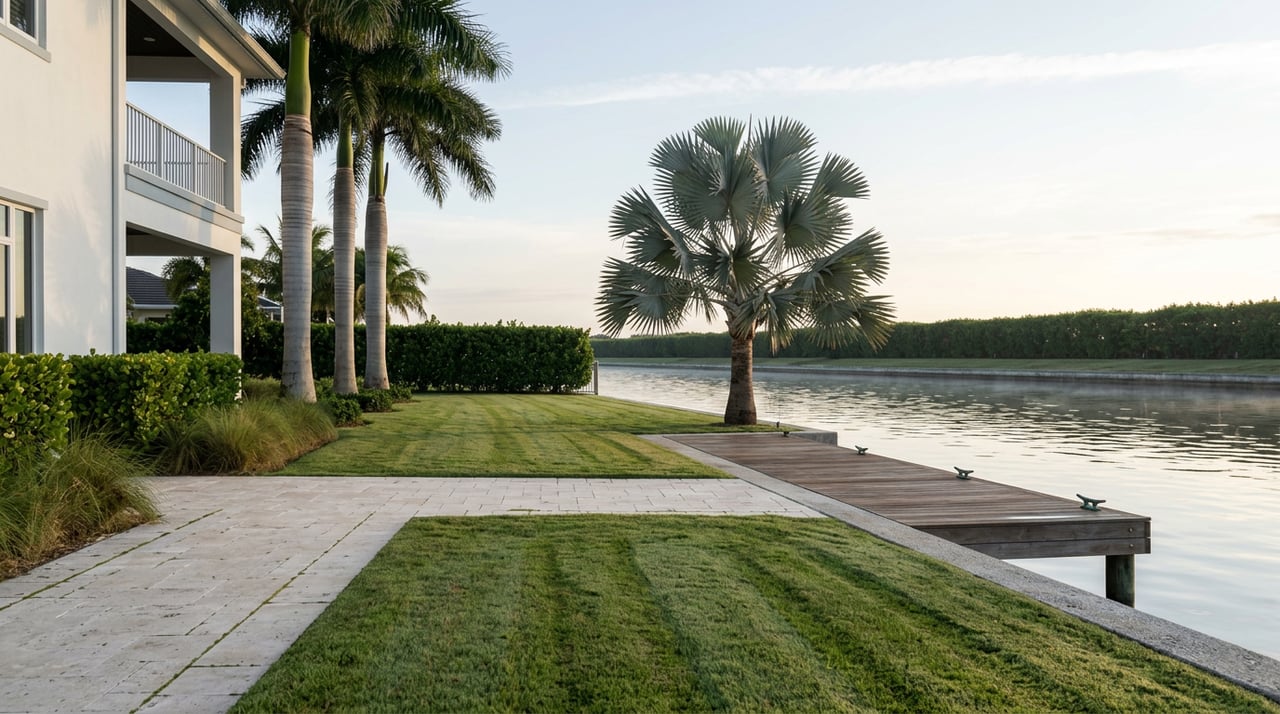
A single-family waterfront home often appeals to buyers who want more personal space and more control over how the property functions. If you care about having your own yard, pool, private dock setup, or room to customize outdoor living areas, a home may be the better match.
This option can be especially attractive if boating is central to your lifestyle. Having direct control over your dock arrangement can be a major benefit, even though it comes with more responsibility and more local permitting considerations.
Maintenance and oversight differences
Condo buildings have more formal structural oversight
In Florida, condo associations must maintain official records such as budgets, reserve studies, inspection reports, permits, and contracts. Key records like Structural Integrity Reserve Study documents and certain inspection reports must be retained for 15 years. Many records must also be available electronically or for owner inspection.
For buyers, that means there is often a more formal paper trail to review. It also means your due diligence on a condo should include more than just the unit itself. You are also evaluating the building, the reserve planning, and any repair obligations that may affect your future costs.
Milestone inspections and reserve studies matter
Florida condo buildings that are three or more habitable stories must complete milestone inspections at 30 years of age and every 10 years after that. Residential condo associations with buildings of three or more habitable stories must also complete a Structural Integrity Reserve Study at least every 10 years after the building is created.
According to Florida's Department of Business and Professional Regulation, milestone inspection reports include material findings, repair recommendations, any dangerous conditions, and a separate summary for owners. The reserve study covers eight critical building elements, including the roof, structural systems, fire protection systems, plumbing, electrical systems, waterproofing and exterior painting, windows and exterior doors, and other high-cost items.
Single-family homes usually mean more direct oversight by you
Single-family properties do not follow the same statewide condo-level inspection and reserve structure. Florida HOA law allows reserve accounts to be included in community budgets, but reserve funding can be provided, reduced, or waived by member vote as described by statute.
In practical terms, that often means you need to be ready for more direct planning and more uneven timing of costs. Instead of paying into a building reserve structure, you may be budgeting for future roof work, exterior maintenance, landscaping, pool care, dock repairs, or seawall improvements yourself.
Dockage and boating access
Condo dockage can be more document-driven
If a condo building offers dockage, the details are often controlled by the association documents. Buyers should verify whether a slip is deeded, assigned, transferable, or subject to a waitlist. That distinction can have a big impact on how usable the boating component really is for your needs.
This is one of the most important questions to ask early. Two waterfront condos can look similar online but offer very different boating access in practice.
Waterfront homes offer more direct dock control
A single-family waterfront lot may give you more direct use of your dock and shoreline, but it also comes with regulation. In Broward County, some minor dock and seawall projects may qualify for an Environmental Resource General License, often processed in about 7 to 10 days. Larger work, or projects involving dredging or wetlands, may require a regular Environmental Resource License.
Broward County also notes that certain eligible private docks of 500 square feet or less may qualify for the general license. That can simplify some projects, but it does not eliminate the need to verify what is allowed on a specific lot.
Floodplain permits are a real factor
In Fort Lauderdale floodplain areas, work requires permits for a wide range of activities. The city specifically lists new structures, modifications, excavation, filling, drilling, driving piles, dredging, land clearing, grading, and storage of materials or equipment.
For waterfront buyers, that means shoreline work can involve more process than a typical inland improvement. If you are leaning toward a home because you want full control, be sure you are also comfortable with the permitting side of that control.
Insurance and cost structure
Condo costs are often more bundled
With a condo, some ownership costs are shifted into monthly dues and reserve funding. Your individual condo unit owner policy, commonly called an HO-6 policy, usually covers personal property and certain interior items not covered by the association's master policy.
Florida guidance also says condo owners may face assessments when common-area damage is not covered or when reserves are not enough. The HO-6 policy must include at least $2,000 of loss-assessment coverage.
Home costs are often more direct
For a single-family home, insurance is typically a broader homeowners package that covers the dwelling, unattached structures, personal property, liability, and medical payments. Flood insurance is separate and may be required if the property is in a Special Flood Hazard Area and you are using a federally backed mortgage.
The key difference is how costs show up. In a condo, many major building expenses may be shared through dues and assessments. In a home, more of those costs tend to arrive directly and sometimes unpredictably.
A simple way to choose
If you are still torn, start by being honest about your daily lifestyle. Ask yourself whether you want less hands-on maintenance or more direct control. That one answer usually points you in the right direction faster than almost anything else.
A waterfront condo may be the stronger fit if you want:
- Lower day-to-day exterior responsibility
- Shared amenities
- A more structured ownership model
- Waterfront living without owning a private dock
A waterfront home may be the stronger fit if you want:
- More privacy
- More outdoor space
- Direct control over dock and shoreline use
- Greater flexibility with exterior features and improvements
Fort Lauderdale buyer due diligence checklist
Before you move forward on either property type, gather the right documents and ask detailed questions. Strong due diligence matters even more on waterfront properties because the ownership structure, boating access, and future maintenance burden can vary so much.
For a waterfront condo, ask for:
- Declaration, bylaws, and rules
- Current budget
- Reserve study
- Milestone inspection summary, if applicable
- Structural Integrity Reserve Study, if applicable
- Insurance documents
- Dock or slip rules
- Any pending assessments or repair plans
For a waterfront home, ask about:
- Flood zone details
- Existing permits for docks, seawalls, or shoreline work
- Any planned or needed seawall or dock repairs
- HOA rules, if the property is in an HOA
- Insurance requirements, including flood coverage needs
Final thoughts for Fort Lauderdale buyers
There is no one-size-fits-all answer here. In Fort Lauderdale, a waterfront condo and a waterfront home can both deliver an amazing coastal lifestyle, but they do it in very different ways. The right choice depends on your budget, how involved you want to be with maintenance, and whether boating access means occasional convenience or direct control.
If you want help comparing real options across the Fort Lauderdale waterfront market, the team at The Coastal Realm can help you sort through the details, narrow the tradeoffs, and find the right fit for how you want to live.
FAQs
What is the main difference between a Fort Lauderdale waterfront condo and a waterfront home?
- A waterfront condo usually offers less exterior maintenance and more shared oversight through the association, while a waterfront home usually offers more privacy, outdoor space, and direct control over the property and shoreline features.
Are Fort Lauderdale waterfront condos usually less expensive than waterfront homes?
- In broader Broward County data from April 2026, the median sale price was $258,000 for condos and townhouses and $620,000 for single-family homes. Waterfront pricing can be much higher, but the countywide gap helps show the typical starting difference.
Do Fort Lauderdale waterfront condos always include boat slips?
- No. If a condo offers dockage, buyers should verify whether the slip is deeded, assigned, transferable, or waitlisted under the association documents.
What inspections should buyers review for a Fort Lauderdale condo building?
- Buyers should review milestone inspection summaries, reserve studies, Structural Integrity Reserve Study documents when applicable, budgets, insurance records, and any pending repair or assessment information.
What permit issues matter for Fort Lauderdale waterfront homes?
- Dock, seawall, and shoreline work may require Broward County environmental review and Fort Lauderdale floodplain permits, depending on the scope of the project and the property conditions.
Is flood insurance required for Fort Lauderdale waterfront properties?
- Flood insurance is separate from standard homeowners or condo unit coverage and may be required if the property is in a Special Flood Hazard Area and you are using a federally backed mortgage.